
Thermal Hero Cooling Knowledge And Product Selection
A focused guide for choosing the correct thermal interface material by hardware area, contact type and safety level.

Recommended Products
Start with the product route that matches your hardware, contact area and installation risk.
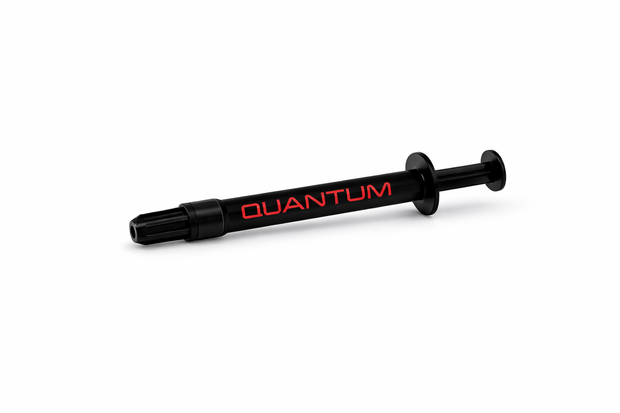
QUANTUM - EXTREME HIGH PERFORMANCE THERMAL PASTE
Direct-contact paste route for CPU, GPU and high-load systems.
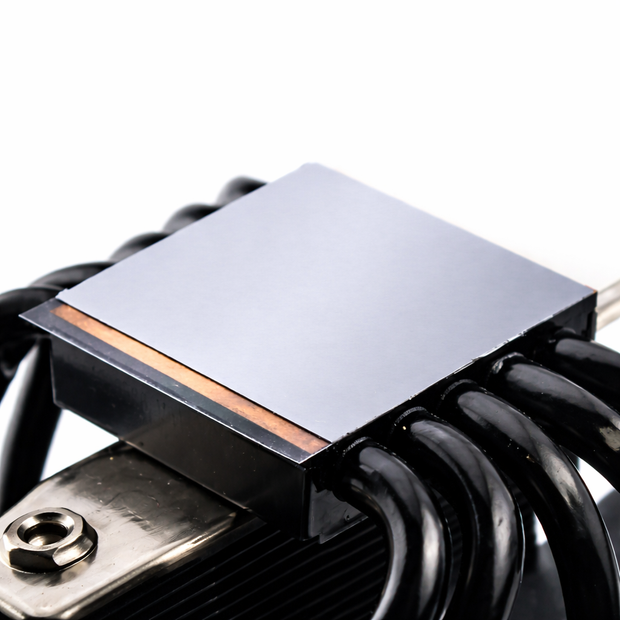
GAMMA - Advanced Phase-Change Thermal Pad
Phase-change interface for stable heat-cycle behavior.
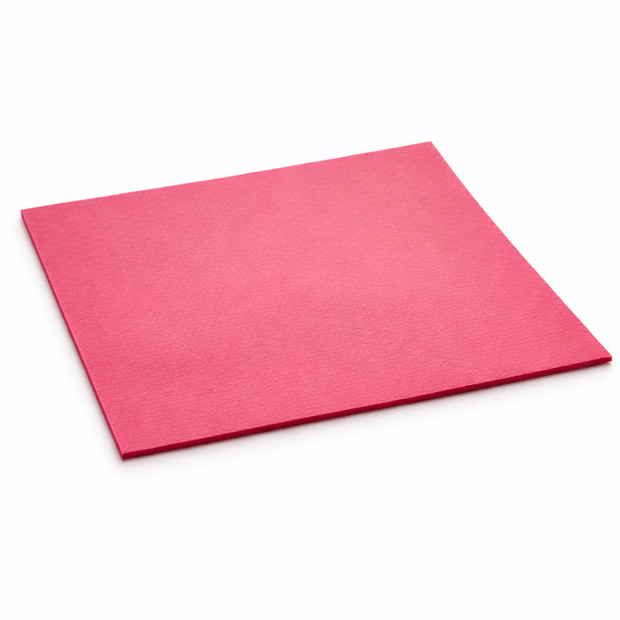
NEO PAD 1.0 mm – Standard Overclocking Memory
Gap-filling path for VRAM, SSD, memory and power areas.
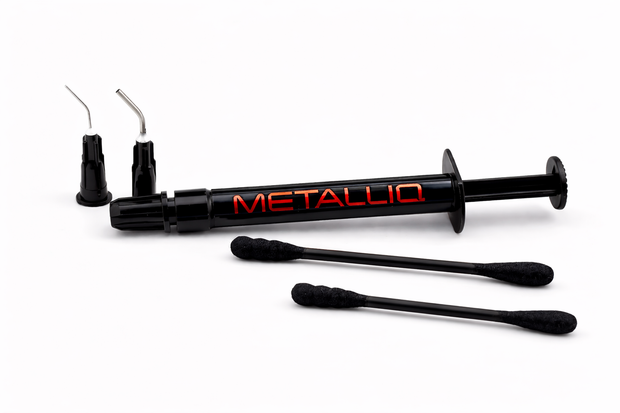
METALLIQ - Liquid Metal Paste
Liquid-metal path for compatible surfaces and experienced users.
What You Should Decide Before Buying
The right cooling product depends on the real contact situation. Direct chip contact, physical component gaps, advanced heat spreading and conductive liquid metal all require different material choices.
Technical Background
Thermal performance is controlled by the complete heat path: heat source, interface material, contact pressure, heatsink design, airflow and sustained load. A high-performance material only works when the contact geometry is correct.
Common Wrong Choice
Customers often choose by thermal conductivity alone. This can be wrong. Paste cannot replace pads in a physical gap. Thick pads can reduce GPU core pressure. Conductive materials can damage exposed electronics.
Best Buying Direction
Start with a safe route when compatibility is unclear. Use paste or PCM for direct contact, pads for gaps and expert materials only after checking surface and electrical risk.
Material Decision Matrix
Selection Guidance
A correct thermal choice starts with the contact type: direct chip contact, component gap, phase-change service, graphene heat spreading or liquid-metal expert use.
Choose the product family that matches the hardware area, contact pressure, gap height and risk level of the application.
Use the Product Selector when the application is unclear, or open the product cards when the material route is already known.
Recommended When
The hardware area and material type are known and the customer wants a direct buying path.
Check First When
The surface material, pad thickness, gap height or electrical risk is unclear.
Avoid When
The customer wants one material for all areas. A correct thermal refresh often uses several product families.
Installation And Buying Workflow
Only one compact workflow remains on the page. The main content above now carries the topic detail.
Inspect
Identify direct contact, gap material, airflow and electrical risk before buying.
Select
Choose paste, PCM, pad, liquid metal or graphene by the real contact requirement.
Install
Clean surfaces, control thickness or amount, and keep conductive materials isolated.
Verify
Test under load and check temperature, hotspot, noise and stability.
Continue With The Correct Next Page
Use CTAs inside the page instead of overloading the header with too many similar entries.
Questions Before Buying
Short answers for the decision points that matter on this topic.
Which product should I choose first?
Start with the contact type. Direct chip contact usually needs paste or PCM. Component gaps need thermal pads. Liquid metal and graphene are advanced options.
Why are there several product families?
Different cooling areas need different materials. One material cannot safely solve every CPU, GPU, VRAM, SSD and console problem.
When should I use the Product Selector?
Use the Product Selector when you are not sure about surface compatibility, gap thickness or whether the system needs paste, pads, PCM, liquid metal or graphene.